CONTACT US
|
Wechat
WeChat:+8605925523433Wechat QR code,Contact us
WeChat:+8605925523433Wechat QR code,Contact us

Australia has an established café culture, specialty-roasting ecosystem and a wide range of hospitality occasions. For roasters, hotel suppliers, foodservice brands and corporate-event planners, coffee is more than a menu item. It can become a service product that strengthens guest experience, brand image and customer memory.
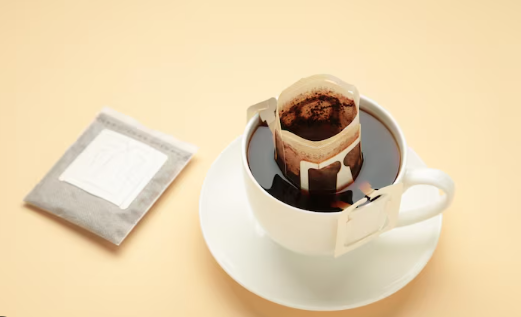
A drip coffee bag, also known as a hanging-ear coffee bag, holds a measured dose of ground coffee in a filter bag and seals it in an individual outer envelope. Consumers need only a cup and hot water to prepare filtered coffee. The format requires no coffee machine, making it suitable for hotel rooms, meeting spaces, hospitality, brand events and gift sets while retaining room for specialty coffee flavor expression.
Hotels and foodservice channels often require different coffee formats from a café bar. Products need to be easy to store, distribute and use while still delivering a relatively consistent cup. Individually packed drip coffee bags can meet these needs.
Australia ground coffee can be developed for:
Hotel-room coffee: Individual envelopes with illustrated preparation steps for guests;
Meeting and hospitality coffee: Multi-pack sets for meeting rooms, training sessions and business reception;
Foodservice companion coffee: Convenient coffee for breakfast, afternoon service or room-service occasions;
Corporate-event coffee: Envelopes and gift boxes with event visuals, brand information or QR-code content;
Premium welcome coffee: Single-origin or distinctive blend coffee for higher-end accommodation and client gifts;
Retail extension coffee: Service-channel coffee that can also be sold as a take-home product.
Using a consistent single-cup format helps brands maintain a recognizable coffee experience across channels.
Australia cafés often serve espresso and milk-based drinks, while drip coffee bags are filter-brewing systems. Fine coffee ground for espresso should not be placed directly into a hanging filter bag.
Coffee that is too fine may create slow flow, clogging, bitterness or over-extraction. Coffee that is too coarse may create a weak cup. Brands should set a grind range specifically for drip coffee bags based on final filter-bag specifications, coffee dose, recommended water volume and target cup size.
A simple and stable brewing specification for service products can include:
Net coffee content per bag;
Grind particle range;
Recommended water temperature;
Total water volume;
Staged pouring method;
Target brewing time;
Aroma, strength, sweetness and body performance.
Clearer preparation guidance increases the chance of a consistent result in hotel and meeting environments.
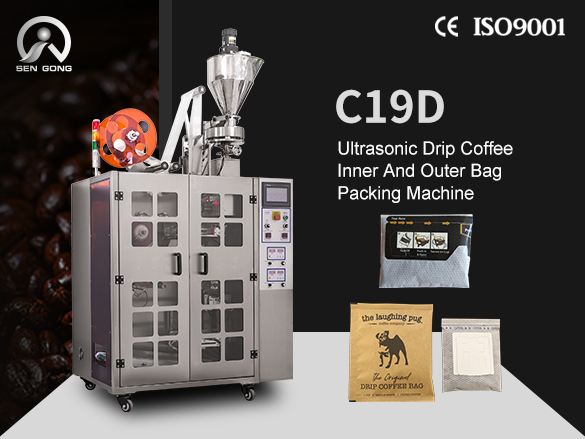
Depending on configuration, a drip coffee bag packaging machine can integrate automatic coffee dosing, inner filter-bag forming, hanging-ear attachment, individual outer-envelope sealing and optional nitrogen flushing. For Australia ground coffee hospitality projects, equipment should support stable finished packs and flexible channel formats.
Key factors include:
Accurate, stable dosing
Different roast levels, blends and grind states vary in density, flow behavior and static charge. Continuous trials should use final coffee products.
Filter flow and hanging-ear strength
Filter bags should match coffee dose and grind, while hanging ears need to remain secure on common cup types during use.
High-barrier individual envelopes
Ground coffee is sensitive to oxygen, moisture, light and odor transfer. High-barrier envelopes help protect quality through warehousing, hotel replenishment, foodservice operations and event delivery.
Optional nitrogen flushing
Projects requiring longer storage, cross-regional distribution or stronger aroma retention may evaluate nitrogen flushing. Actual freshness performance should be confirmed through finished-product tests, residual-oxygen control and storage trials.
Flexible envelopes and carton formats
Individual bags, two-bag hotel packs, multi-pack meeting boxes and gift collections can be designed for different service channels.
For hotels, hospitality and event clients, packaging should be easy to understand, easy to carry and easy to use. Simple illustrations can show opening the envelope, attaching the bag to a cup, pouring water and removing the filter afterward. Coffee name, roast level, net content, recommended water volume, date marking and batch information should also be clear.
If packaging includes brand collaboration, event names, environmental claims or origin information, those details should be truthful, verifiable and compliant with destination-market requirements. Clear information reduces explanation needs for service staff and builds consumer confidence.
Before equipment purchase or commercial production, complete trials using final coffee, filter bags and outer-envelope film, including real service-scenario testing:
Is coffee weight consistent in every bag?
Are filter bags and hanging ears neat, secure and easy to use?
Are outer-envelope seals reliable?
Can non-specialist users brew the product by following the illustrations?
Does warehousing, replenishment and delivery simulation reveal powder leakage, damage or deformation?
Do water flow and cup flavor meet product targets when brewed using the standard method?
Xiamen Sengong Packing Equipment Co.,Ltd provides packaging equipment solutions for drip coffee bags and single-serve ground coffee products. Brands can select suitable configurations based on coffee grind, per-pack dose, output targets, filter-bag specifications, outer-envelope formats, hospitality packaging needs and freshness requirements.
Learn more:
Drip coffee bags for Australia ground coffee can extend specialty roasting flavor into hotels, foodservice, meetings and brand events. With a filter-compatible grind profile, reliable individual envelopes and stable packaging equipment, brands can create single-cup coffee products that are easier to distribute, easier to use and more valuable in service-oriented channels.
Counseling Hotline
+8613779964655
E-Mail:sales@quickerpack.com
Mobile:+8613779964655
TEL:+8613779964655
Addess:228, Tianfeng Road, North Industrial Zone, Jimei District, Xiamen, Fujian, China.
CopyRight 2004-2026 Xiamen Sengong Packing Equipment Co.,Ltd All Rights Reserved XML MAP