CONTACT US
|
Wechat
WeChat:+8605925523433Wechat QR code,Contact us
WeChat:+8605925523433Wechat QR code,Contact us

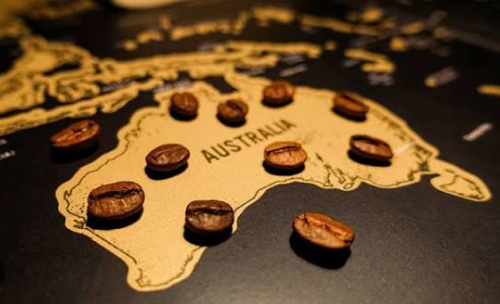
Australia has developed a sophisticated specialty coffee culture. Espresso, flat white, pour-over coffee, and distinctive blends are widely enjoyed in cafés and homes. Alongside imported beans, coffee is also grown in parts of Australia, giving roasters opportunities to create products with a local origin.
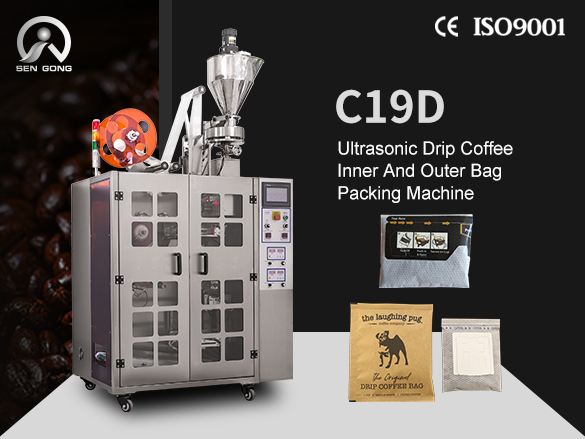
As demand for convenient specialty coffee increases, drip coffee bags provide a practical connection between café-style quality and portable brewing. An automatic drip coffee bag packing machine can measure ground coffee, form the hanging ear filter, and seal each serving inside an individual outer pouch.
The resulting product is easy to store, transport, distribute, and prepare in a variety of environments.
Australian coffee consumers often pay close attention to freshness, roast information, origin transparency, and brewing quality. A drip bag combines ground coffee, a filter, and fold-out supports in one portable package.
To prepare the coffee, the consumer opens the pouch, places the supports over the cup, and pours hot water over the grounds in several stages. No separate dripper or filter paper is required.
Drip coffee bags can be used for:
Australian-grown single-origin coffee;
Australian-style specialty blends;
Seasonal products from local roasters;
Hotel and office coffee service;
Travel, camping, and outdoor products;
Coffee tasting collections;
Corporate and seasonal gifts;
Private-label and contract-packed coffee.
A drip coffee bag packing machine is an automated system for producing single-serve hanging ear coffee bags. Depending on the model and selected options, it can combine coffee dosing, filter-bag formation, support attachment, and outer-pouch packaging in one production workflow.
A typical process includes:
Roasted and ground coffee enters the feeding system.
The dosing unit measures the preset amount.
The coffee is filled into the filter material.
The machine forms a filter bag with hanging supports.
The inner bag is sealed and cut.
The completed drip filter enters an individual outer pouch.
The outer pouch is heat-sealed, cut, and discharged.
An optional coder applies a date, batch number, or traceability details.
Automation can reduce manual transfer and improve portion and package consistency. Actual performance still depends on the ground coffee, packaging materials, and machine settings.
Once coffee is ground, it becomes more exposed to oxygen and moisture. Packaging materials, seal quality, and storage conditions can all affect aroma and brewing performance during the intended shelf life.
The inner filter holds the coffee and controls water flow during brewing. The sealed outer pouch provides the main protective barrier. Businesses should select materials with suitable oxygen, moisture, light, and heat-sealing properties for their distribution and storage requirements.
Where production conditions allow, grinding and packaging should be coordinated to limit prolonged exposure of ground coffee to the surrounding environment.
Coffee particles in the sealing area, wrinkled film, or unsuitable heat-sealing settings can affect pouch integrity. Seal appearance, position, and strength should be checked during production.
Some coffee producers use nitrogen to displace air before the outer pouch is sealed. Its effectiveness depends on the gas-flushing method, barrier properties, seal integrity, and operating parameters.
Product-specific package-integrity and shelf-life testing are still required.
An automated dosing system fills coffee according to configured settings. Portion consistency supports material control and a more repeatable single-cup brewing experience.
Dosing, inner-bag formation, and outer-pouch sealing can be completed in a continuous process suitable for coffee roasters, brands, and packaging service providers.
Automated feeding and packaging reduce direct handling of ground coffee and support a cleaner, more standardized production workflow.
The outer pouch can display origin details, roast level, tasting notes, brewing instructions, production dates, QR codes, and the brand story.
Compact drip bags are suitable for e-commerce shipping, coffee subscriptions, hotels, office kitchens, air travel, camping, and gift collections.
Grind size, density, roast level, oil content, and static electricity may influence feeding performance. Light- and dark-roasted coffees may behave differently during dosing.
The filling weight should reflect the intended cup size, grind, and recommended water volume. The machine’s dosing range must accommodate the planned products.
The filter should provide suitable water flow, strength, and sealing performance while meeting applicable food-contact requirements. The supports should fit cup sizes used in the target market.
Film structure, thickness, friction, registration marks, and sealing-temperature range may affect machine operation. The intended film should be tested before production begins.
Coffee-contact parts should be accessible for inspection and cleaning. Convenient changeover is particularly valuable when a business packs several origins or blends.
Buyers should consider current demand and potential growth. Optional functions may include date coding, registration control, nitrogen flushing, finished-product conveying, and inspection systems.
Technical specifications provide an initial reference, but machine performance can change with different coffee and film materials.
A useful packaging trial should include:
The Australian-grown coffee or blend intended for production;
The required grind specification;
Target filling weight;
Filter and hanging-support materials;
Outer-pouch film;
Required bag style and dimensions;
Expected production output;
Coding and nitrogen-flushing requirements.
During the trial, buyers should examine dosing variation, support position, filter-bag seals, registration accuracy, cutting, outer-pouch integrity, and continuous operating stability.
Xiamen Sengong Packing Equipment Co., Ltd provides drip coffee bag packaging equipment and related solutions for coffee roasters, brand owners, private-label businesses, and packaging service providers.
Before choosing a configuration, buyers can discuss their ground coffee, target portion, packaging dimensions, materials, and production requirements with the equipment supplier. Testing with real materials helps determine appropriate operating settings and reduce compatibility risks.
Explore drip coffee packing machines and related packaging equipment:
Australia’s established coffee culture provides a strong foundation for convenient specialty coffee products. Drip coffee bags allow consumers to brew coffee at work, in hotels, while traveling, or outdoors without carrying a separate dripper.
An automatic drip coffee bag packing machine integrates portion filling, filter-bag formation, and outer-pouch sealing. Buyers should evaluate coffee characteristics, dosing technology, packaging materials, seal quality, cleaning access, and production capacity instead of selecting equipment on speed alone.
Counseling Hotline
+8613779964655
E-Mail:sales@quickerpack.com
Mobile:+8613779964655
TEL:+8613779964655
Addess:228, Tianfeng Road, North Industrial Zone, Jimei District, Xiamen, Fujian, China.
CopyRight 2004-2026 Xiamen Sengong Packing Equipment Co.,Ltd All Rights Reserved XML MAP