CONTACT US
|
Wechat
WeChat:+8605925523433Wechat QR code,Contact us
WeChat:+8605925523433Wechat QR code,Contact us

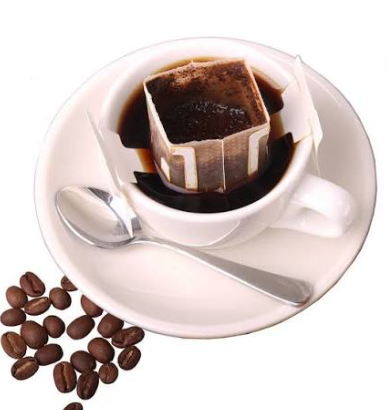
Bolivia coffee can enter specialty retail and export markets through different roast approaches, lot information and flavor profiles. For coffee brands, the real goal is not only to receive a strong evaluation on the cupping table. It is to help consumers brew a cup that matches the intended profile every time they open a pack.
A drip coffee bag, also known as a hanging-ear coffee bag, places a measured coffee dose inside a filter bag and seals it in an individual outer envelope. It enables coffee brands to turn a “cupping standard” into a “single-cup standard”: clearer coffee dose, more defined preparation, complete product information and better suitability for e-commerce, export samples, specialty gifts and hotel channels.
During development, a Bolivia ground coffee may have target characteristics such as sweetness, acidity, body, cocoa-like notes or fruit character. Without clear brewing parameters, however, those descriptions are difficult to deliver consistently to the consumer.
Drip coffee bags can make the product specification more concrete. Brands can establish a “single-cup quality card” for each SKU, including:
Coffee source, lot or blend information;
Roast level and roast date;
Net coffee content per bag;
Grind particle range;
Recommended water temperature and total water volume;
Staged pouring method;
Target brewing time;
Flavor description and sensory target.
This is not simply more package information. It gives roasting, packaging, sales and consumers one shared product language. Such consistency is especially valuable for small-lot specialty coffee and export products.
Drip coffee bags rely on hot water naturally flowing through coffee inside a filter bag. Their grind logic differs from espresso, French press and traditional boiled-coffee preparation, so parameters should not be copied directly from other products.
Coffee that is too fine may create slow flow, clogging, bitterness or over-extraction. Coffee that is too coarse may under-extract and taste thin. Brands should conduct full trials using final Bolivia ground coffee, actual filter bags, target dose and recommended cup volume.
Grind adjustments should be based on cup results—not only packaging-line speed. A product can run smoothly on a machine while still failing to deliver an ideal consumer cup, so flow rate, extraction time and sensory performance must be validated together.
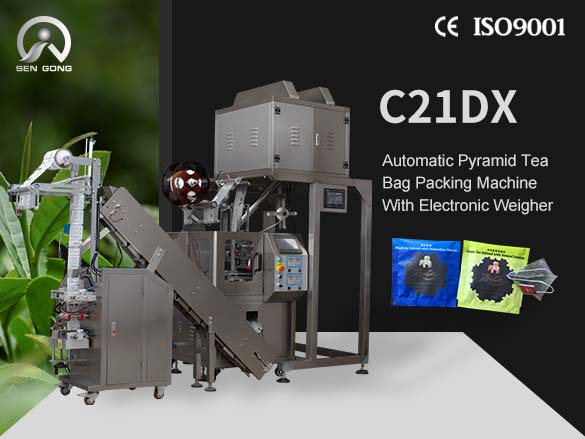
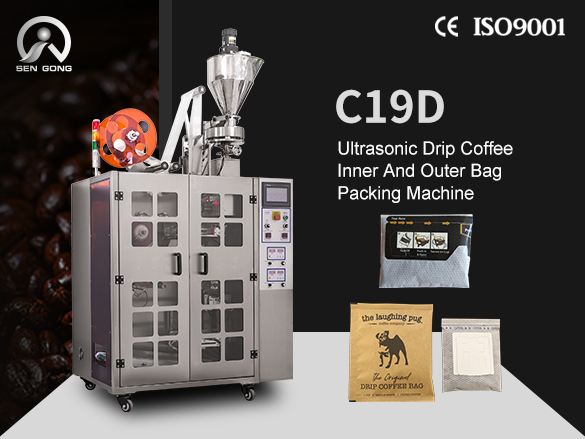
Depending on configuration, a drip coffee bag packaging machine can integrate automatic coffee dosing, filter-bag forming, hanging-ear attachment, individual outer-envelope sealing and optional nitrogen flushing. For Bolivia ground coffee projects, the equipment should support stable production and repeatable single-cup quality.
Key areas for selection and trials include:
Stable coffee dosing
Roast level and grind state affect coffee density, flow behavior and static charge. Continuous tests should use the final product.
Filter-bag and hanging-ear quality
Filter bags should provide suitable water flow, while supports should hold securely on common cup types without deformation or detachment.
High-barrier individual envelopes
Ground coffee is sensitive to oxygen, moisture, light and odor transfer. Individual envelopes help protect aroma and reduce the impact of repeatedly opening larger coffee packs.
Optional nitrogen flushing
Export, sample-shipping or longer-distribution projects may evaluate nitrogen flushing. Actual freshness performance should be confirmed through product testing, residual-oxygen control and storage trials.
Clear batch management
Envelopes and cartons should reserve space for dates, batch codes and traceability information to manage quality across coffee lots.
Drip coffee bags are well suited to smaller-format export products. Brands can offer individual sample bags, five-pack tasting boxes, origin-based gift sets or monthly subscription assortments.
For overseas buyers, single-serve products make initial tasting and flavor comparison easier. For brands, they help control sample format, shipping weight and product information. Claims such as “single origin,” “specialty” or “organic” should be supported by valid documentation and meet destination-market labeling requirements.
Before commercial production, complete two types of validation: packaging-line validation and consumer-brewing validation.
On the packaging line, verify coffee dose, bag shape, seals, hanging ears and outer-pack appearance. In brewing tests, prepare repeated cups according to the packaging instructions and check water flow, extraction time, aroma and flavor consistency. Transport and storage simulations should also identify risks such as powder leakage, bag damage, deformation or flavor decline.
Only when both validations are successful can a drip coffee bag reliably deliver Bolivia coffee quality to the consumer.
Xiamen Sengong Packing Equipment Co.,Ltd provides packaging equipment solutions for drip coffee bags and single-serve ground coffee products. Brands can choose suitable configurations according to coffee grind, per-pack dose, output targets, filter-bag specifications, outer-envelope formats, lot-management needs and freshness requirements.
Learn more:
Drip coffee bag development for Bolivia ground coffee should focus on making cupping targets consistently achievable in the consumer’s cup. With a filter-compatible grind profile, reliable individual envelopes and stable packaging equipment, brands can translate specialty coffee standards into repeatable single-serve products for export, sampling and gifting.
Counseling Hotline
+8613779964655
E-Mail:sales@quickerpack.com
Mobile:+8613779964655
TEL:+8613779964655
Addess:228, Tianfeng Road, North Industrial Zone, Jimei District, Xiamen, Fujian, China.
CopyRight 2004-2026 Xiamen Sengong Packing Equipment Co.,Ltd All Rights Reserved XML MAP