CONTACT US
|
Wechat
WeChat:+8605925523433Wechat QR code,Contact us
WeChat:+8605925523433Wechat QR code,Contact us

Colombia coffee can express a wide range of product profiles through different regions, processing methods, roast approaches and lot management. For coffee exporters, roasting brands and specialty retailers, product value comes not only from origin stories. It also comes from whether consumers receive a clear, consistent cup that matches the intended flavor profile after opening the pack.
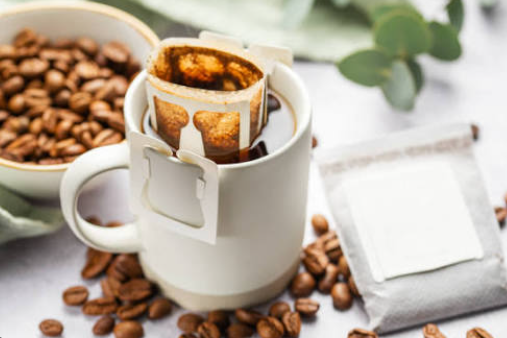
A drip coffee bag, also known as a hanging-ear coffee bag, holds a measured amount of ground coffee inside a filter bag and seals it in an individual outer envelope. It brings roasting, grinding, dosing, filter brewing and freshness protection together in one single-cup system. For Colombia ground coffee serving retail, gift, e-commerce and export markets, this format is well suited to establishing repeatable product-quality standards.
Drip coffee bag development should not begin with the question, “How much coffee can the machine fill?” It should begin with the desired consumer cup. Different Colombia coffee products may target different sensory profiles: bright acidity and floral-fruity notes, caramel-like sweetness and roundness, or cocoa-like, nutty and fuller-bodied character.
During development, brands can define the target cup first, then set roast level, grind range, coffee dose and preparation guidance. Each product should have a single-cup specification sheet covering:
Coffee origin, lot or blend information;
Roast level and roast date;
Net coffee content per bag;
Grind particle range;
Recommended water temperature;
Total water volume;
Staged pouring rhythm;
Target brewing time;
Acidity, sweetness, body, aroma and aftertaste targets.
This approach helps prevent a product from being successfully packed but inconsistent in the cup.
For drip coffee bags, grind size should not simply reuse parameters from espresso, French press or other pour-over products. Filter-bag flow, coffee-bed depth, per-pack dose and consumer pouring behavior all influence extraction.
Coffee that is too fine may cause slow flow, clogging, bitterness or over-extraction. Coffee that is too coarse may create weak flavor and reduced sweetness. Different roast batches, environmental conditions and coffee formulas may also require rechecking grind performance.
Brands should conduct regular reviews after launch:
Test using final filter bags and outer envelopes;
Compare dosing and brewing performance across coffee lots;
Review water flow, extraction time and sensory results;
Adjust grind, dose or preparation guidance based on real data.
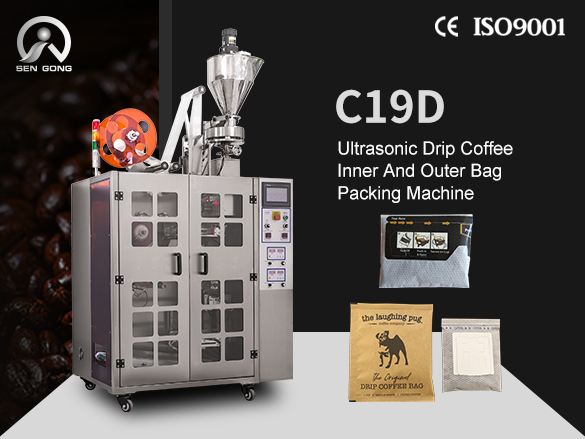
Depending on configuration, a drip coffee bag packaging machine can integrate automatic coffee dosing, inner filter-bag forming, hanging-ear attachment, individual outer-envelope sealing and optional nitrogen flushing. For Colombia ground coffee, the machine should be part of the quality-control system—not simply a production tool.
Key factors include:
Coffee dosing consistency
Roast level, particle distribution, density and static charge affect coffee flow. Continuous trials should use final ground coffee to verify stable net content.
Filter-bag formation and water flow
Filter material, bag design and coffee dose should match grind profile to help control pouring speed and extraction.
Hanging-ear stability
The supports should fit common cup types and hold the filter bag securely during repeated pouring.
High-barrier individual envelopes
Ground coffee is sensitive to oxygen, moisture, light and odor transfer. Individual envelopes help preserve aroma and flavor during storage, transport and retail display.
Optional nitrogen flushing
Export logistics, subscription delivery and aroma-focused projects may evaluate nitrogen flushing. Actual freshness performance should be confirmed through finished-product tests, residual-oxygen control and storage trials.
Even high-quality coffee may fail to deliver the intended profile if consumers cannot use it correctly. The outer envelope can explain how to open the bag, unfold the hanging ears, attach it to a cup, pour water in stages and remove the filter afterward.
It should also show recommended water temperature, total water volume, roast level, key flavor notes, net content, date marking and batch details. For export markets, label language, origin wording, date information and other compliance details should be reviewed for the destination.
Before equipment purchase, lot changes or commercial production, complete two validation processes.
Packaging-production validation
Is coffee dose consistent?
Are filter bags and hanging ears neat and secure?
Are outer-envelope seals reliable?
Are lot and date details clear?
Does transport simulation reveal powder leakage, damage or deformation?
Consumer-brewing validation
Is water flow stable when different users follow the same instructions?
Does brewing time stay within the target range?
Do aroma, sweetness-acidity balance and mouthfeel meet the product profile?
Does finished-product performance remain within internal standards after the intended storage period?
Xiamen Sengong Packing Equipment Co.,Ltd provides packaging equipment solutions for drip coffee bags and single-serve ground coffee products. Brands can select suitable configurations based on coffee grind, per-pack dose, output targets, filter-bag specifications, outer-envelope formats, batch-management needs and freshness requirements.
Learn more:
Developing drip coffee bags for Colombia ground coffee should begin with the target cup and continue through roast calibration, grind testing, stable dosing and individual freshness protection. With reliable packaging equipment and ongoing real-product validation, brands can turn Colombia coffee flavor design into high-quality single-serve products for retail, gifting and export markets.
Counseling Hotline
+8613779964655
E-Mail:sales@quickerpack.com
Mobile:+8613779964655
TEL:+8613779964655
Addess:228, Tianfeng Road, North Industrial Zone, Jimei District, Xiamen, Fujian, China.
CopyRight 2004-2026 Xiamen Sengong Packing Equipment Co.,Ltd All Rights Reserved XML MAP