CONTACT US
|
Wechat
WeChat:+8605925523433Wechat QR code,Contact us
WeChat:+8605925523433Wechat QR code,Contact us

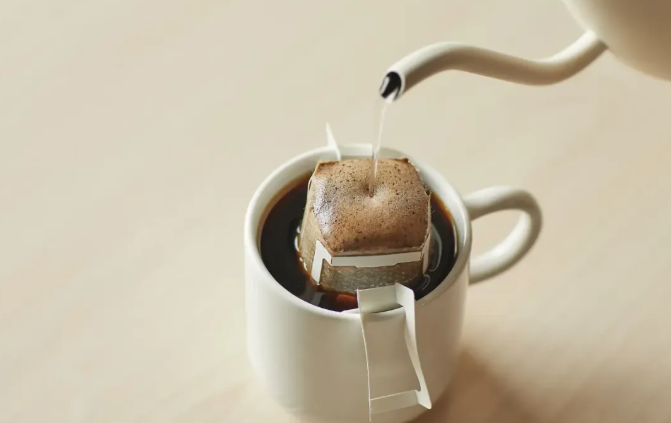
Turkish coffee is more than a beverage. It is a long-standing cultural tradition and a distinctive form of hospitality. Traditional preparation normally uses an exceptionally fine grind, heated in a small coffee pot known as a cezve or ibrik. The coffee is served with fine grounds remaining in the cup, creating its characteristic rich body and sediment.
As specialty coffee, travel coffee, and single-serve products become more popular, brands are exploring ways to translate the bold flavor and cultural character of Turkish coffee into a more convenient format. Drip coffee bags are a practical option. They place a measured coffee portion inside a filter bag with fold-out supports, then seal it in an individual protective pouch. Consumers need only a cup and hot water to prepare the coffee.
One important distinction should be clear during product development: traditional Turkish coffee and drip coffee use different brewing principles. Traditional Turkish coffee is very finely ground and normally unfiltered. Drip bags rely on water passing through a filter. A Turkish-style coffee formulated and tested specifically for drip brewing is therefore more suitable than simply placing traditional ultra-fine Turkish coffee grounds into a hanging-ear filter bag.
Consumers increasingly want consistent coffee quality at work, in hotels, at airports, while traveling, or at home. Turkish-style drip coffee bags can deliver a full-bodied, deep-roasted profile with chocolate, spice, or roasted notes while using a grind and brewing method suitable for filtered coffee.
This format can be developed for:
Specialty coffee shop retail lines;
Turkish coffee culture-inspired gift sets;
Hotel-room and corporate hospitality products;
Cross-border e-commerce and coffee subscriptions;
Travel, camping, and outdoor coffee;
Coffee tasting collections;
Private-label and contract-packing programs.
An individual outer pouch also provides space for origin details, roast level, flavor notes, recommended water temperature, brewing time, batch codes, and brand storytelling.
Traditional Turkish coffee usually uses an extremely fine grind, and the grounds remain in the finished beverage. If this powder is used directly in a drip filter bag, water may flow too slowly, filters can clog, extraction may become uneven, and excessive sediment may reach the cup.
For Turkish-style coffee designed for drip bags, product development should focus on:
Grind size compatible with the selected filter and target brew time;
Filling weight appropriate for the intended cup volume;
Roast profile that provides intensity without excessive bitterness;
Filter material with suitable water flow, strength, and sealing performance;
Clear brewing instructions for water temperature, pouring stages, and total water volume;
Validation of spice formulas, such as cardamom, where applicable.
Accurate product wording is also important. Terms such as “Turkish-style drip coffee” or “Turkish-inspired coffee for drip brewing” clearly explain that the product is designed for filtered brewing rather than traditional cezve preparation.
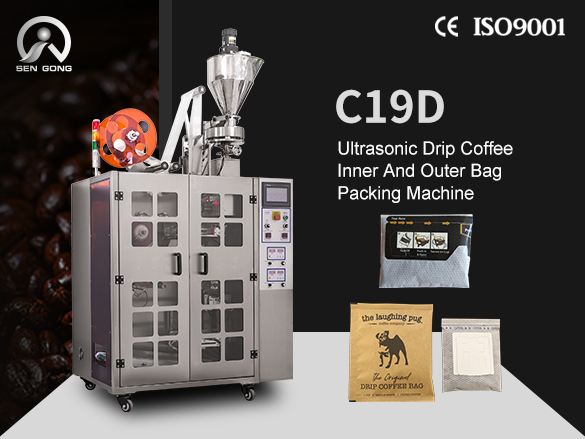
An automatic drip coffee bag packing machine produces single-serve hanging-ear coffee products by integrating dosing, filter-bag formation, and outer-pouch sealing in a continuous workflow.
A typical process includes:
Roasted coffee, ground for drip brewing, enters the feeding system.
A dosing unit fills each bag to the preset weight.
The coffee enters the filter material.
The machine attaches the hanging supports, seals the inner bag, and cuts it.
The finished inner filter bag enters an individual outer pouch.
The outer pouch is heat-sealed, cut, and discharged.
Optional systems apply production dates, batch numbers, or traceability codes.
Integrated automation can reduce manual transfer and improve consistency in filling weight, bag format, and seal quality. Actual performance depends on grind size, density, coffee oils, static electricity, spice content, and packaging materials.
Ground coffee is more vulnerable to oxygen, moisture, light, and odors than whole beans. For retail, hospitality, and export-oriented products, outer-pouch barrier properties and seal integrity are critical.
Select packaging materials with suitable oxygen, moisture, light, and heat-sealing performance based on the intended shelf life, transport conditions, and storage environment. Film thickness, sealing layer, friction, and printed registration marks should also be compatible with the packing machine.
Nitrogen flushing may be evaluated for products requiring additional aroma protection. While it can reduce residual oxygen in the pouch, its effectiveness depends on the packaging material, gas-replacement method, seal quality, and storage conditions. Commercial shelf life should always be verified through real-product testing.
The machine should handle the actual flow characteristics of the coffee. Different grind sizes, roast levels, densities, and spice blends may affect dosing performance.
Filter material should provide suitable water flow and sealing properties. The hanging supports should fit common cup sizes and remain stable while the consumer pours water.
The outer pouch protects coffee quality and presents the brand. Test the intended production film for bag forming, registration, cutting alignment, and seal strength.
The hopper, dosing system, and filling path should be accessible for cleaning. This is particularly important for businesses that package several coffee profiles, blends, or spiced products.
Machine configuration should match current production requirements and future expansion. Date coding, batch traceability, nitrogen flushing, registration control, finished-product conveying, and inspection can be added according to project needs.
Machine specifications provide a useful starting point, but final results depend on the compatibility of the coffee, filter, packaging film, and operating settings.
Before purchasing equipment, test with:
The intended Turkish-style drip coffee;
Target filling weight;
Actual filter and hanging-support samples;
Actual outer-pouch film;
Required bag size and style;
Expected production output;
Date-coding, batch-marking, and nitrogen-flushing requirements.
The trial should evaluate product flow, fill-weight variation, inner-bag sealing, support placement, outer-pouch sealing, cutting precision, and continuous operating stability. A brewing test is equally important to confirm water flow, extraction, and flavor under the recommended preparation conditions.
Xiamen Sengong Packing Equipment Co., Ltd provides drip coffee bag packing equipment and related packaging solutions for coffee roasters, brand owners, and contract packers.
During product development, businesses can discuss grind size, filling weight, filter material, outer film, spice formulas, and target output with the equipment supplier. Testing actual production materials helps confirm machine compatibility before commercial production.
Learn more about equipment and packaging solutions:
The bold flavor and cultural value of Turkish coffee offer strong inspiration for single-serve specialty coffee products. Rather than packaging untested traditional Turkish coffee grounds in a drip bag, brands can develop a Turkish-style coffee blend designed for filter brewing.
With an automatic drip coffee bag packing machine, businesses can achieve measured filling, hanging-ear filter formation, and individually sealed outer pouches for retail, hospitality, e-commerce, gifting, and travel applications.
Google indexing cannot be guaranteed. To improve eligibility for indexing, publish Chinese and English on separate URLs, use unique titles and meta descriptions, add original product images and internal links, include XML Sitemap and Article structured data, and submit the final page through Google Search Console.
Counseling Hotline
+8613779964655
E-Mail:sales@quickerpack.com
Mobile:+8613779964655
TEL:+8613779964655
Addess:228, Tianfeng Road, North Industrial Zone, Jimei District, Xiamen, Fujian, China.
CopyRight 2004-2026 Xiamen Sengong Packing Equipment Co.,Ltd All Rights Reserved XML MAP